
AD&D 2nd Edition
The refined tabletop ruleset that powered the narrative depth of Planescape Torment.

Various · Public domain
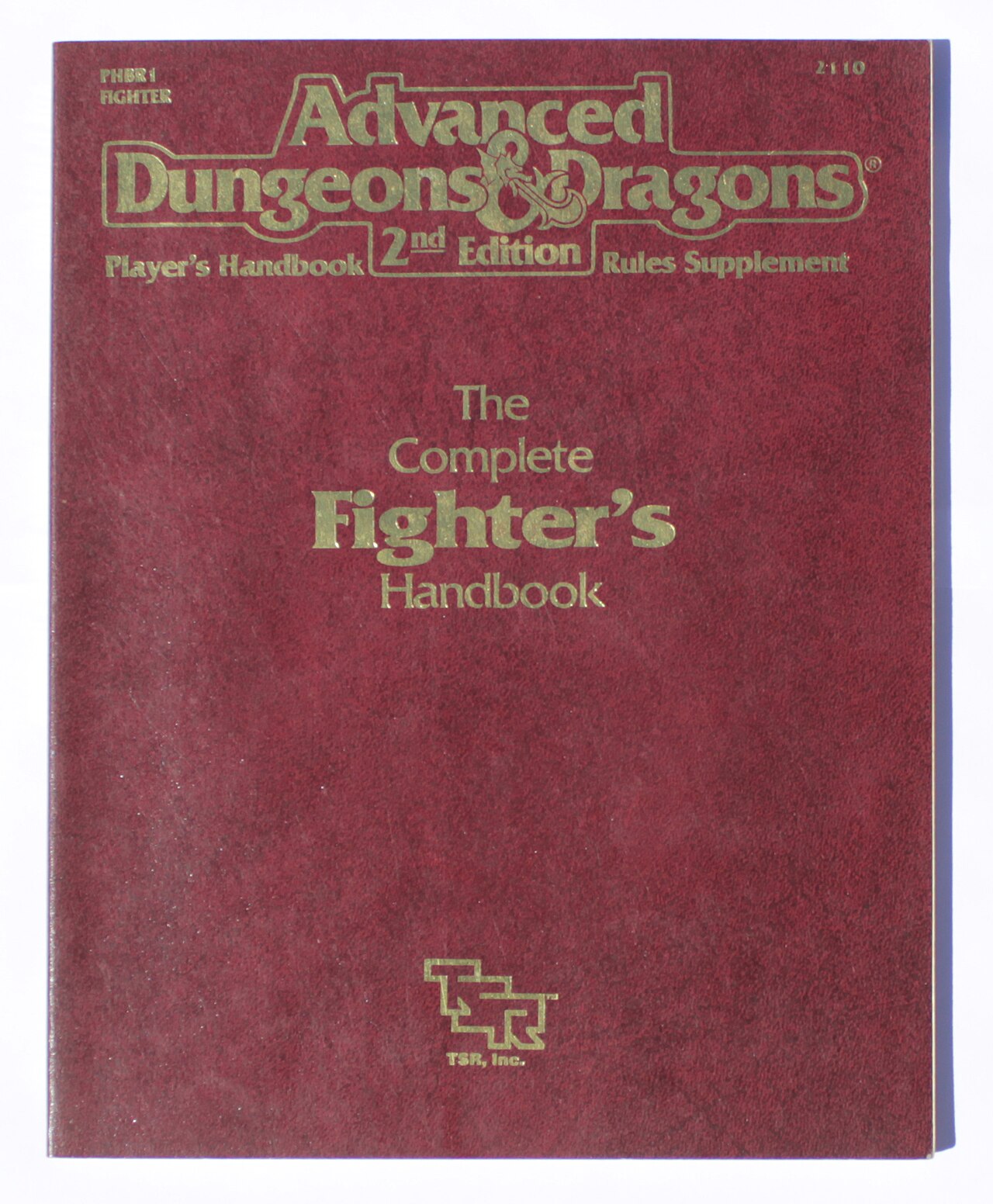
Advanced Dungeons & Dragons 2nd Edition (AD&D 2e) is a tabletop role-playing game system published by TSR, Inc., serving as the primary ruleset for the Planescape Torment video game. In the context of Planescape Torment, AD&D 2e provided the structural backbone for the game's complex narrative choices, spell systems, and combat resolution.
- Core Mechanic
- Various dice rolls (d20, d100, etc.) for different actions; no unified resolution system
Lore & Background
The system's mechanics were deeply integrated into the Planescape setting, which itself was designed to test the boundaries of D&D cosmology. The rules allowed for unique character builds that reflected the diverse factions of Sigil, such as the Dustmen or the Harmonium. This edition's emphasis on role-playing over pure optimization enabled developers at Black Isle Studios to craft a story where the protagonist's past and choices mattered more than their hit points, creating a legacy that prioritized storytelling within a rigid ruleset.
In Their Own Story
The Nameless One stands before the gate of Sigil, his mind a tapestry of forgotten lives. The rules of this world are not merely numbers; they are the threads of fate he must weave. As he rolls the twenty-sided die in his imagination, the result does not determine a hit or miss, but whether the truth will be spoken or swallowed by the silence of the Outer Planes.
Reader's Guide
The creation of Planescape Torment was heavily influenced by the flexibility of AD&D 2nd Edition. Designers at Black Isle Studios, led by Chris Avellone and others, chose this system specifically because it allowed for non-combat solutions to problems. The historical context of the late 90s saw a shift in RPGs toward narrative depth, and AD&D 2e provided the necessary tools without forcing players into rigid archetypes. Historically, the game's success demonstrated that complex tabletop rules could be adapted for digital storytelling without losing their nuance. The design decisions to prioritize skill checks over combat encounters were revolutionary at the time. This approach influenced modern storytelling in RPGs by proving that mechanics should serve the narrative rather than dictate it. The legacy of this edition lives on in games that value player agency and philosophical inquiry.
Did You Know?
- AD&D 2nd Edition was the specific ruleset used to calculate combat and skill checks in Planescape Torment.
- The 'Thief' class was a core class in AD&D 1st Edition and earlier, not introduced in 2nd Edition.
- TSR, Inc. published the core rulebooks that defined the cosmology explored in the Planescape campaign setting.
- Many modern CRPGs trace their narrative design lineage to the flexibility offered by AD&D 2nd Edition.
Gallery

Frequently Asked Questions
How does AD&D 2nd Edition influence combat?
Battles rely on a twenty-sided die resolution system to determine hit chances and damage outcomes accurately. These mechanics translate complex physical dice rolls into digital probabilities for the Nameless One's encounters.
Why is this edition significant for Planescape Torment?
Its structured framework allowed designers to implement intricate spell systems and meaningful narrative consequences. Without these specific rules, the game would lack the mechanical weight required for its philosophical themes.
Can players customize characters using AD&D 2nd Edition stats?
Yes, character creation follows standard ability scores and class restrictions defined by the second edition manuals. Players manage attributes like Strength or Intelligence to unlock specific skills and magical capabilities.
Is AD&D 2nd Edition still supported today?
The system is officially discontinued but remains widely used within niche tabletop communities and retro gaming circles. Its continued relevance is largely due to the preservation of titles like Planescape Torment that utilize its codebase.
More in Production & Legacy
Elsewhere in the Planescape Torment universe
Spotted an error? Know more?
This is a living reference — every entry is fact-audited, and reader corrections feed straight into our audit queue. Suggest an edit · See this site's audit record